
Maintaining a clean and efficient HVAC system is critical for comfort, air quality, and energy savings. Homeowners often wonder: if I use a reusable furnace filter, do I still need duct cleaning? The short answer is sometimes yes, depending on your home and system conditions.
In this guide, we’ll explore when duct cleaning is beneficial, how it complements your filter, and what steps you can take to keep your system running efficiently while managing furnace maintenance cost.
Why Duct Cleaning Still Matters Even With a Reusable Furnace Filter
Are you wondering if duct cleaning can be skipped once you switch to a reusable furnace filter and clean it regularly? While these filters are highly effective at trapping dust, allergens, and debris, they don’t eliminate the need for duct cleaning if there is buildup inside your ductwork.
Ductwork can accumulate dust over time due to:
- Existing debris from past years
- Construction or renovation dust
- Minor air leaks in duct joints
- Normal household particles that settle in low-airflow sections
Even the cleanest filter won’t prevent dust from settling in hard-to-reach bends, vents, and plenums. Excessive buildup inside ducts can contribute to reduced airflow, uneven home temperatures, and compromised indoor air quality.
Professional duct cleaning helps remove significant accumulations, mold growth, or contaminants from areas filters cannot reach, supporting consistent airflow and long-term system performance.
Common Misconceptions About Reusable Furnace Filters and Duct Cleaning
Reusable furnace filters are excellent at reducing waste and lowering furnace maintenance cost, but they aren’t a replacement for duct cleaning. Some homeowners assume:
- “If I clean my filter, I don’t need duct cleaning.”
- “If my air feels clean, my ducts must be clean too.”
In reality, ducts can accumulate dust and debris without obvious symptoms. Filters reduce new particles entering the system, but they do not remove dust already settled inside ductwork. Industry experts generally agree that duct cleaning is condition-based, not automatically required on a fixed schedule.
Duct cleaning is typically recommended when there is visible buildup, airflow issues, odors, pest debris, or post-renovation dust, even if you maintain a high-quality reusable filter.
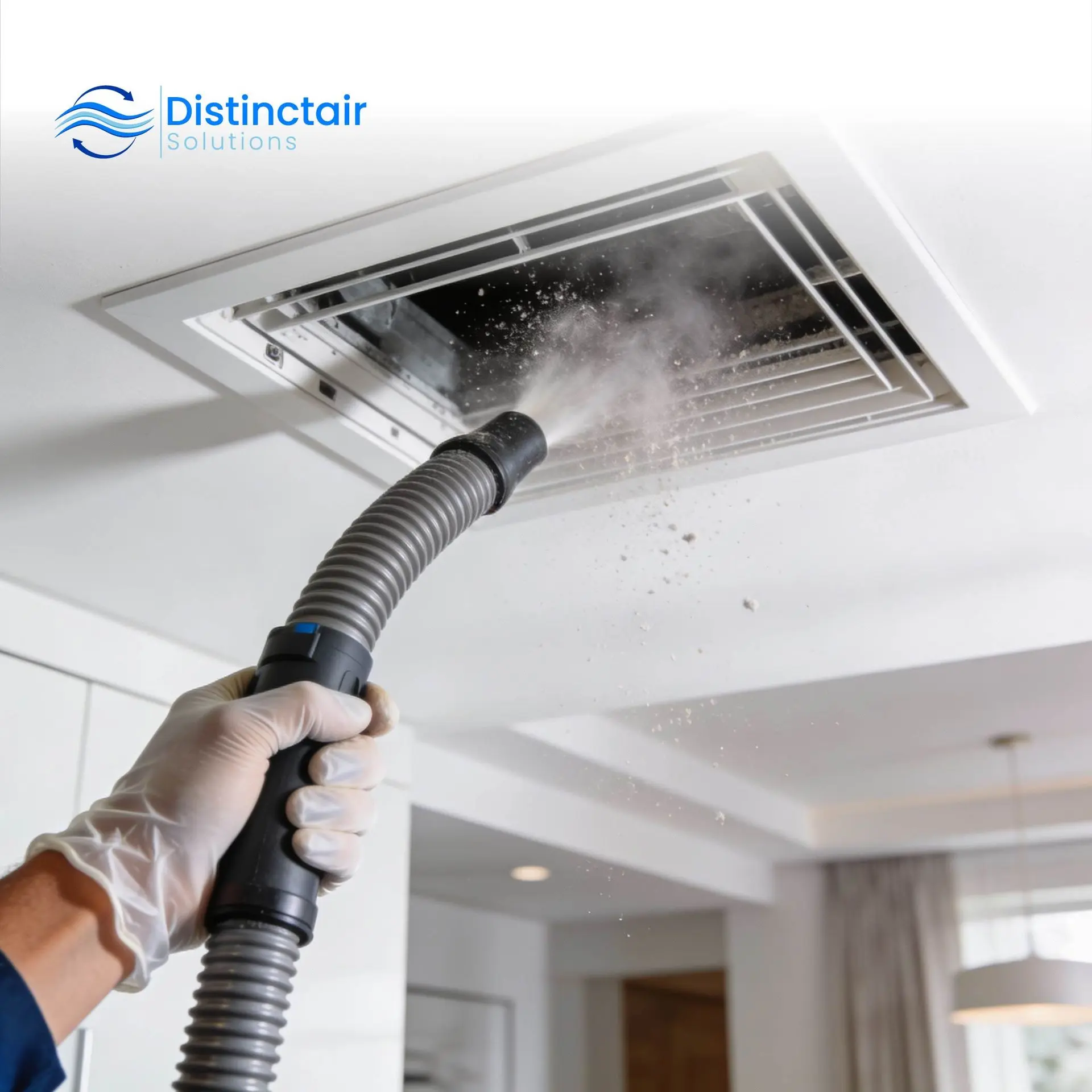
How a Dirty Duct System Impacts Furnace Maintenance Cost
Neglecting duct cleaning when it’s needed can indirectly raise your furnace maintenance cost. Heavy debris buildup may restrict airflow, forcing the blower motor to work harder, which can:
- Cause furnace short cycling
- Reduce heating or cooling efficiency
- Increase wear on components like coils and fans
Routine duct cleaning combined with filter maintenance plans helps identify when cleaning is actually necessary, preventing unnecessary repairs without over-servicing your system.
Furnace Maintenance Checklist: Keeping Your Ducts and Filters Clean
A proactive approach combines proper filter care with periodic duct inspection. Regular furnace maintenance plans and following a furnace maintenance checklist each year can keep your system efficient and safe. A furnace maintenance checklist should include:
- Inspecting and cleaning reusable or disposable furnace filters monthly.
- Checking accessible ductwork for visible dust or mold.
- Ensuring vents are unobstructed.
- Cleaning blower compartments and accessible components.
Following this checklist during annual maintenance for furnace ensures your system performs efficiently, delivers constant home comfort, and avoids unexpected repair calls.
Annual Maintenance for Furnace: Don’t Skip Duct Inspection
During annual maintenance for furnace, technicians typically check:
- Airflow consistency through all vents
- Accumulation of dust in visible or accessible duct branches
- Signs of leaks or disconnected ducts
Some homeowners worry that frequent duct cleaning will add to furnace maintenance cost. The good news is that combining proper filter use with periodic duct cleaning often saves money in the long run.
Investing in an annual maintenance for furnace can reduce issues caused by neglected HVAC systems, such as furnace short cycling, blower motor failure, and reduced heat or cooling performance.
Furnace Maintenance Plans That Include Duct Inspections (And Duct Cleaning When Needed)
Many homeowners opt for furnace maintenance plans that bundle filter inspections, duct inspections, and seasonal tune-ups, with duct cleaning performed only when needed. These plans offer:
- Scheduled duct inspections (with duct cleaning only when necessary)
- Routine filter checks (including reusable filters)
- Professional evaluation of blower, coils, and motors
Investing in a comprehensive furnace maintenance plan avoids unnecessary services while helping control furnace maintenance cost over time.
Tips to Reduce Duct Cleaning Needs While Using Reusable Filters
Using reusable furnace filters properly can help reduce, but not eliminate, the frequency of duct cleaning. Best practices include:
- Wash or clean filters regularly according to manufacturer instructions.
- Using properly rated (but not overly restrictive) high-MERV reusable filters
- Keep vents open and unobstructed to maintain balanced airflow and prevent dust buildup caused by pressure imbalances.
- Schedule professional inspections annually to catch hidden buildup early.
These steps minimize dust accumulation, support constant home comfort, and protect system efficiency.
Duct Cleaning: Efficient Furnace, Happier Home
Even with excellent reusable furnace filter maintenance, duct cleaning remains a situational but important part of HVAC care. Filters stop incoming debris, but ductwork may still need duct cleaning when buildup affects airflow, comfort, or air quality.
Homeowners who combine regular filter maintenance, annual inspections, and duct cleaning (only when warranted) enjoy:
- Better indoor air quality
- Reduced furnace maintenance cost over time
- Lower energy bills
- Longer-lasting HVAC components
Treat duct cleaning as a strategic part of annual maintenance for furnace. And enjoy a comfortable home with an HVAC system that runs smoothly and doesn’t require emergency costs!